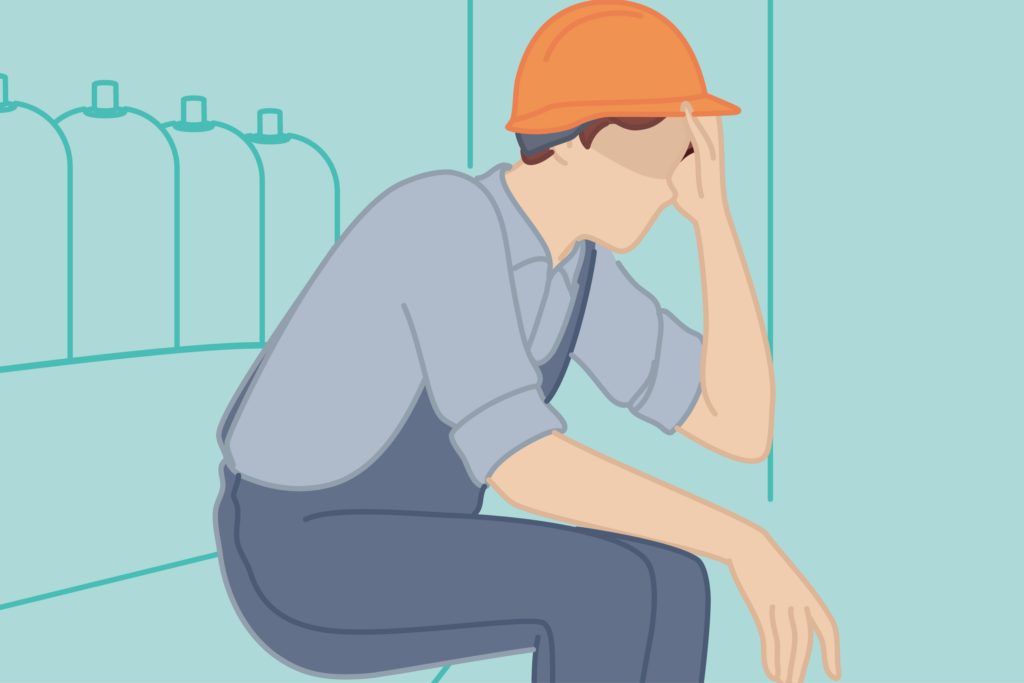
Dealing With Fatigue

Brain tumour fatigue is more than feeling tired. It can affect energy, concentration, balance, sleep and day-to-day life, and it often continues after diagnosis, surgery or treatment. This page explains the signs of brain tumour fatigue, what can make it worse, and practical ways to manage it.

brain tumour charity North East

Start Here

brain tumour fatigue

If you are dealing with brain tumour fatigue, you are not alone. Fatigue can affect both the body and mind, and it is one of the most common challenges people face after a brain tumour diagnosis or treatment. This page brings together common signs, practical coping tips and support options.

Fatigue is a debilitating condition affecting the whole body, it is much more than merely tiredness. There are different ways to help when it comes to Dealing With Fatigue and the stress of living with a Brain Tumour.

If you require advice or help you can send us a message via our contact page or call direct on 0191 1540 2998

In chronic or severe cases it can be persistent, where the loss of energy and strength have profound effect on quality of life in that the symptoms of fatigue are not improved by periods of reset or indeed sleep.

In many cases the symptoms of fatigue can be made worse by inactivity.

Fatigue is often a misunderstood condition, it is common among survivors of many brain tumour types and common among patients who undergo neurosurgery and the treatments following surgery such as chemotherapy or radiotherapy.

People that suffer from brain tumours can have the symptoms of fatigue prior to surgery or treatment and it can be made worse by other conditions also, the symptoms fatigue can be overlooked when present at the same time as a chronic illness.

Small Donations Bigger Impact

Living With Fatigue

living with fatigue

The severity level of fatigue can vary from mild to severe, it can affect our ability to carry out activities of our daily lives.

At most time it feels like a heavy weight pushing down – increased gravity upon your entire body, that changes day to day and triggers can be environmental or situational that lead to physical and cognitive exertion.

Often physical and cognitive exertion combined can lead to the onset of symptoms such as sudden or overwhelming feelings of mental, emotional or physical exhaustion.

It is important to note that fatigue can be linked to variety of other conditions and other factors that can make symptoms of fatigue worse like the side effects of medications or treatments, hypothyroidism, insomnia, depression, dehydration, poor nutrition, stress overload and chronic pain.

Treating other illnesses or medical conditions can sometimes improve the symptoms of fatigue.

Signs of fatigue

signs of fatigue

Physical Symptoms

  • Reduced energy level.
  • Diminished strength or endurance.
  • Difficulty falling asleep or waking up overnight.
  • Changes in balance and coordination.
  • Lower capacity for work.
  • Muscle aches.

Attention Fatigue & Cognitive Symptoms

  • Reduced ability to concentrate and understand.
  • Inability to process new information.
  • Difficulty with decision making and problem solving.
  • Organisational abilities may be reduced.
  • May feel overwhelmed by ordinary activities.
  • Easily distracted, shorter attention span.
  • Reduced mental clarity.
  • Unable to manage simultaneous tasks.
  • More effort needed because of difficulty focusing attention.

Importance of Finding Support and Dealing With Fatigue

As few as two people can become a support group for each other, finding someone that understands your challenges can be very meaningful whether by phone, email or in person, don’t hesitate to reach out to others and learn methods for dealing with fatigue. 

Listening to someone else’s brain tumour story can be rewarding and inspiring.

Coping with Fatigue Can Be Exhausting, especially when the causes and effects of fatigue are either misunderstood or unknown, finding encouragement and understanding can be difficult. Positive self-care techniques can improve overall health and may reduce symptoms.

Use the following suggestions as a starting point, and develop your own plan which incorporates the techniques that work best for you.

brain tumour fatigue and brain tumour memory problems

When to Speak to Your Clinical Team

Speak to your clinical team or GP if fatigue suddenly gets worse, stops you from managing daily life, or comes with new symptoms such as breathlessness, chest pain, dizziness, confusion, or changes after a medication change. Fatigue can also be affected by dehydration, poor sleep, low mood, pain, other illnesses or treatment side effects. You may also indicate other brain tumour symptoms.

Coping Strategies

1. Pay attention to your diet.

Some people plan 5 or 6 small meals throughout the day to meet their nutritional needs. Be sure to utilise all food groups. Maximise nutrients by eating fruits and vegetables in a rainbow of colours.

Lean protein, complex carbohydrates and small amounts of healthy fats are all important to good nutrition.

2. Drink enough water.

Dehydration can increase symptoms of fatigue. Plan to drink water before or with every meal, and also throughout the day. Keep water handy and limit beverages with caffeine (coffee, tea, cola drinks, etc.) which are dehydrating.

Drinking enough water is important for many bodily functions.

3. Avoid inactivity.

Talk to your medical team about incorporating gentle exercise in your daily routine.

Walking, stretching, swimming or water exercise, Tai Chi, circuit training and other forms of activity can actually
improve fatigue for many people.

Find ways to keep on moving!

4. Get adequate sleep and rest.

While daytime naps can be helpful at times, limit them to under 30 minutes daily so they do not reduce nighttime sleepiness.

Going to bed and waking up at the same time each day helps your body develop a regular sleep routine.

Keep a quiet, calm, restful atmosphere in your bedroom. Lie down and rest when you feel tired.

5. Learn and apply energy conservation techniques.

One of the most important coping techniques is learning to conserve and manage a limited amount of energy.

Make lists.

Decide to do only those activities that are most meaningful or important. Use “free time” wisely. Be efficient and learn to pace yourself.

6. Avoid sensory overload.

Look for a quiet place to recover from over stimulation or avoid it entirely when possible. Limit time in front of a TV or computer screen. Be aware of sensory input from noise, light, movement, crowds and other sources.

If you cannot have a conversation with background noise (from radio, TV, other people talking), find a proactive solution such as changing location, muting the TV, or asking people to be quiet for a moment.

7. Recognise your energy level, adjust accordingly.

Listen to your body! Postpone demanding tasks when you are having difficulty with physical or cognitive symptoms of fatigue.

Rest and recharge yourself before you become completely exhausted. Find a place to sit when you are feeling unsteady.

Use handrails on steps. Move carefully and slowly when needed.

8. Identify your priorities, self awareness

Time is limited for everyone. Daily life can so easily become overwhelming.

Learn to focus on people and activities that are most meaningful and important to you. Make conscious choices when planning your schedule.

Let your daily activities and commitments reflect your values.

9. Surround yourself with positive people.

One of the most powerful positive influences can be simply spending time (or talking with) people who help you feel better about things.

Attitudes are contagious! Optimistic feelings tend to multiply. “Look for the good” whenever possible. Minimise negativity of all types.

10. Embrace your spiritual connection.

Spirituality can be a powerful part of health and healing. Connect with personal and family traditions, explore faith communities and
congregations, or celebrate the Universe in your own way.

Prayer and meditation can be comforting.

11. Develop an attitude of gratitude!

Notice the positive things around you each day and learn to say “thank you” for whatever brings you joy.

Celebrate your blessings!

Keep a list of people, places and things that make you smile. Enjoy photos of loved ones or scenes that evoke happy memories.

Keep a journal and describe enjoyable experiences to recall later.

12. Learn to ask for help.

Asking friends and family to help (and being willing to accept their help) can free up energy to use for other tasks. Be as specific as possible when you make a request for help.

People who care will want to do something to make things easier for you. Imagine if the roles were reversed… how would you feel?

13. Allow yourself to say NO.

Especially if you have reduced energy and endurance, it’s important to minimise your “things to do” list.

Learn to say NO to any requests that you cannot – or do not want – to do. Set aside energy for healing and to cope with any unexpected demands.

14. Laugh, sing, smile, create, enjoy!

Making time for humour, music, creative arts, and other sources of pleasure each day may improve your quality of life.

Be sure to include activities where you “lose track of time” and can feel relaxed.

Use creative activities to recharge your batteries!

15. Use stress management and relaxation techniques.

Breathing exercises, muscle relaxation, visualisation and imagery can help reduce stress.

Use 5-minute stress breaks. Journal writing allows you to keep notes about your feelings and symptoms.

Over time, this too can become a tool to help manage fatigue. Reducing stress can also help improve overall health.

16. Acknowledge your fatigue related challenges.

Being honest about how fatigue affects your life can help you cope more effectively.

Use communication techniques. Be patient and gentle with yourself, especially when things are difficult.

Remember, “This too shall pass.”

If you are coping with the effects of brain tumour related fatigue, remember…

YOU ARE NOT ALONE!

Coping techniques, not just for dealing with fatigue but every aspect of Brain Tumours, positive self-care and working closely with your healthcare team all can help improve your quality of life.

Your questions, answered simply

The Three Tumours. Brain Tumour Fatigue - FAQ

Start here: quick, helpful answers from our brain tumour charity in the North East.
If you still have questions, please do get in touch.

Brain tumour fatigue is more than normal tiredness. It can affect physical energy, mental focus, sleep and everyday activities, and may continue after diagnosis or treatment.

Brain tumour fatigue can be made worse by inactivity, treatment side effects, poor sleep, dehydration, stress, pain, depression and other health conditions.

Helpful strategies include pacing yourself, drinking enough water, eating regularly, keeping a routine, managing sensory overload, and asking for support when you need it.

Yes, for many people gentle movement such as walking, stretching or swimming can help reduce fatigue, but it is always best to speak to your clinical team first.

Yes, support groups can help people feel less alone and share practical coping ideas with others who understand similar challenges.

Discussing Coping Strategies After Brain Tumour Diagnosis​ and Sensory overload

Information sources: NHS guidance and trusted UK brain tumour resources.

Last reviewed: August 2026