Coping Strategies After Brain Tumour Diagnosis

Practical Advice and Emotional Support for Life After Diagnosis

Coping Strategies After Brain Tumour Diagnosis: What Helps and What Doesn’t

A brain tumour diagnosis can be life-altering. Whether you're the patient or someone supporting a loved one, the path ahead often feels uncertain, overwhelming, and emotionally exhausting. This guide shares practical and emotional coping strategies after brain tumour diagnosis, focusing on the areas that matter most: energy, mental health, sleep, diet, and daily wellbeing.

Brain Tumour Charity North East
0 +

Types of Brain Tumours

Early diagnosis matters.

There is so much to do, its overwhelming

Understanding the Role of Daily Habits in Recovery and Wellbeing

Why Coping Strategies Matter After a Brain Tumour Diagnosis

The time following a brain tumour diagnosis can feel overwhelming, filled with medical appointments, unfamiliar terminology, important treatment decisions, and often, noticeable changes to how you feel physically and emotionally. It’s a period of uncertainty that affects not just the person diagnosed, but their loved ones too. During this time, having healthy, manageable coping strategies in place becomes essential. Whether it’s learning how to conserve your energy, finding ways to stay emotionally grounded, or creating routines that support your well-being, these approaches can help ease daily challenges. Effective coping doesn’t solve everything, but it can reduce stress, improve quality of life, and make the road ahead feel more manageable and hopeful.

Simple Ways to Improve Sleep and Manage Fatigue

Prioritise Rest and Sleep

Fatigue is one of the most common side effects of brain tumours and treatment. While rest is important, establishing a regular sleep routine is key.

What helps:

Keeping a consistent bedtime and wake-up schedule

Limiting naps to short bursts (under 30 minutes)

Creating a calm, screen-free sleep space

What doesn’t:

Sleeping irregularly during the day

Caffeine or screen use before bed

Young woman sleeping peacefully while hugging pillow in bed

Practical Ways to Fuel Your Body and Mind During Treatment

Stay Hydrated and Nourished

Dehydration and poor nutrition can worsen fatigue and brain fog. Choosing the right foods and fluids makes a big difference.

What helps:

Eating small, frequent meals with protein, healthy fats, and colourful fruits and veg

Drinking water regularly, especially before meals

What doesn’t:

Skipping meals or relying on high-sugar snacks

Excess caffeine or fizzy drinks

Best foods for brain and memory on pink background. Food for mind and charge of energy.
We are here to share our experience and to offer support in coming to terms with the diagnosis, treatment and finding a new purpose to life. We don’t have all of the answers but have probably had the same questions and emotions that you or your friend or family member are coming to terms with. We believe a journey is easier with a guide, we’ve been there we’ve made the mistakes and want to help you avoid making them.

Small Movements, Big Impact: Fighting Fatigue Through Activity

Manage Fatigue with Movement

Although rest is vital, incorporating light activity into your routine can actually help reduce fatigue, improve circulation, and support emotional wellbeing. Gentle movement can boost your energy levels over time and provide a sense of routine and control during recovery. Always listen to your body and start slowly, choosing activities that feel manageable.

What helps:

Gentle walking, stretching, swimming, or yoga

Short bursts of movement throughout the day

What doesn’t:

Prolonged inactivity (unless advised by a medical team)

Overexerting yourself on 'good days'

Feet of an adult wearing boots to travel walking in the forest. Feet walking in outdoor nature

Supporting Your Mind While Your Body Heals

Look After Your Mental Health

Anxiety, fear, sadness, and even guilt are normal. Acknowledging these feelings and getting the right support is essential.

What helps:

Talking to a therapist, support group, or trusted friend

Journalling, breathing exercises, mindfulness

What doesn’t:

Bottling up feelings

Comparing yourself to others’ journeys

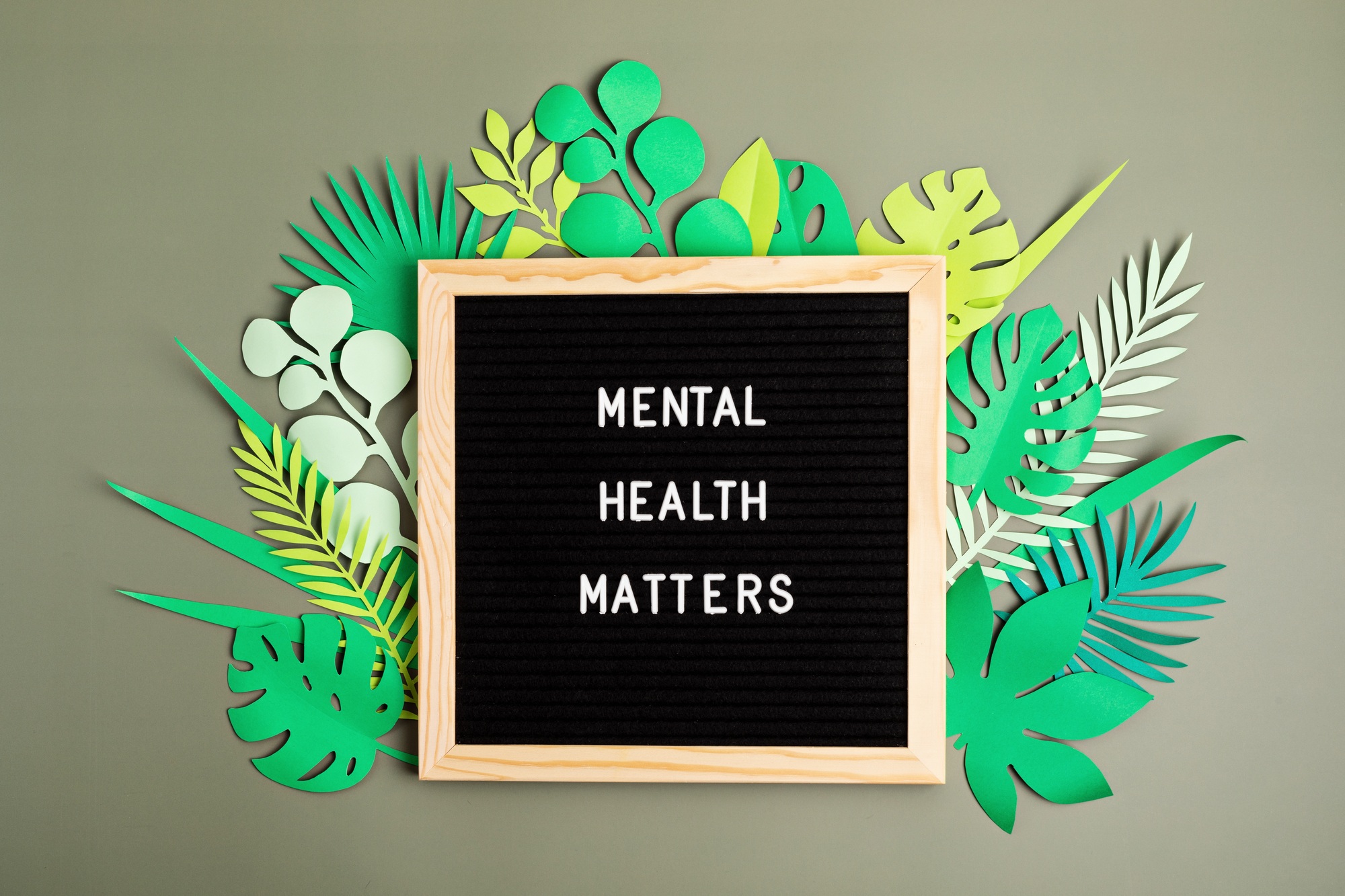
Mental health matters motivational quote on the letter board. Inspiration psycological text

Building a Gentle Routine to Manage Energy and Emotions

Create Structure in Your Day

After diagnosis, your days might feel unpredictable. Building small routines gives you a sense of control.

What helps:

Setting achievable daily goals

Planning breaks and rest

What doesn’t:

Pushing through exhaustion

Overcommitting to social or work demands

Routine

You Don’t Have to Do This Alone, And You Shouldn’t

Let People Help You

Asking for and accepting help is not a weakness, it’s an act of strength. It takes courage to acknowledge when you need support and to allow others to step in during difficult times. Whether it’s practical help with daily tasks or simply having someone to talk to, letting people be there for you can ease the emotional and physical burden of a brain tumour diagnosis. By opening up to support, you give yourself the space to focus on rest, treatment, and healing.

What helps:

Being specific about what you need (meals, childcare, errands)

Saying “yes” when people offer support

What doesn’t:

Trying to manage everything alone

Feeling guilty for needing help

Brain Tumour Warning Signs Loving wife holding hands with distressed serious husband on couch offering emotional support

Expert care matters, because no two brain tumours are the same

Your Journey, Your Pace

Everyone copes differently. What works for one person might not work for another, and that’s okay. But knowing and exploring different coping strategies after brain tumour diagnosis gives you the tools to navigate this chapter with more confidence, comfort, and hope.

Living with a Brain Tumour: Where to Find the Right Support

Support for People Living with Different Types of Brain Tumours

At The Three Tumours, we provide support, education, and connection for people living with all types of brain tumours. Whether you are newly diagnosed, living with long-term effects, or supporting a loved one, we are here to help. Learn more about symptoms, coping strategies, and our support services here: