A brain tumour diagnosis can be life-altering. Whether you're the patient or someone supporting a loved one, the path ahead often feels uncertain, overwhelming, and emotionally exhausting. This guide shares practical and emotional coping strategies after brain tumour diagnosis, focusing on the areas that matter most: energy, mental health, sleep, diet, and daily wellbeing.
Early diagnosis matters.
The time following a brain tumour diagnosis can feel overwhelming, filled with medical appointments, unfamiliar terminology, important treatment decisions, and often, noticeable changes to how you feel physically and emotionally. It’s a period of uncertainty that affects not just the person diagnosed, but their loved ones too. During this time, having healthy, manageable coping strategies in place becomes essential. Whether it’s learning how to conserve your energy, finding ways to stay emotionally grounded, or creating routines that support your well-being, these approaches can help ease daily challenges. Effective coping doesn’t solve everything, but it can reduce stress, improve quality of life, and make the road ahead feel more manageable and hopeful.
Fatigue is one of the most common side effects of brain tumours and treatment. While rest is important, establishing a regular sleep routine is key.
What helps:
What doesn’t:
Dehydration and poor nutrition can worsen fatigue and brain fog. Choosing the right foods and fluids makes a big difference.
What helps:
What doesn’t:
Although rest is vital, incorporating light activity into your routine can actually help reduce fatigue, improve circulation, and support emotional wellbeing. Gentle movement can boost your energy levels over time and provide a sense of routine and control during recovery. Always listen to your body and start slowly, choosing activities that feel manageable.
What helps:
What doesn’t:
Anxiety, fear, sadness, and even guilt are normal. Acknowledging these feelings and getting the right support is essential.
What helps:
What doesn’t:
After diagnosis, your days might feel unpredictable. Building small routines gives you a sense of control.
What helps:
What doesn’t:
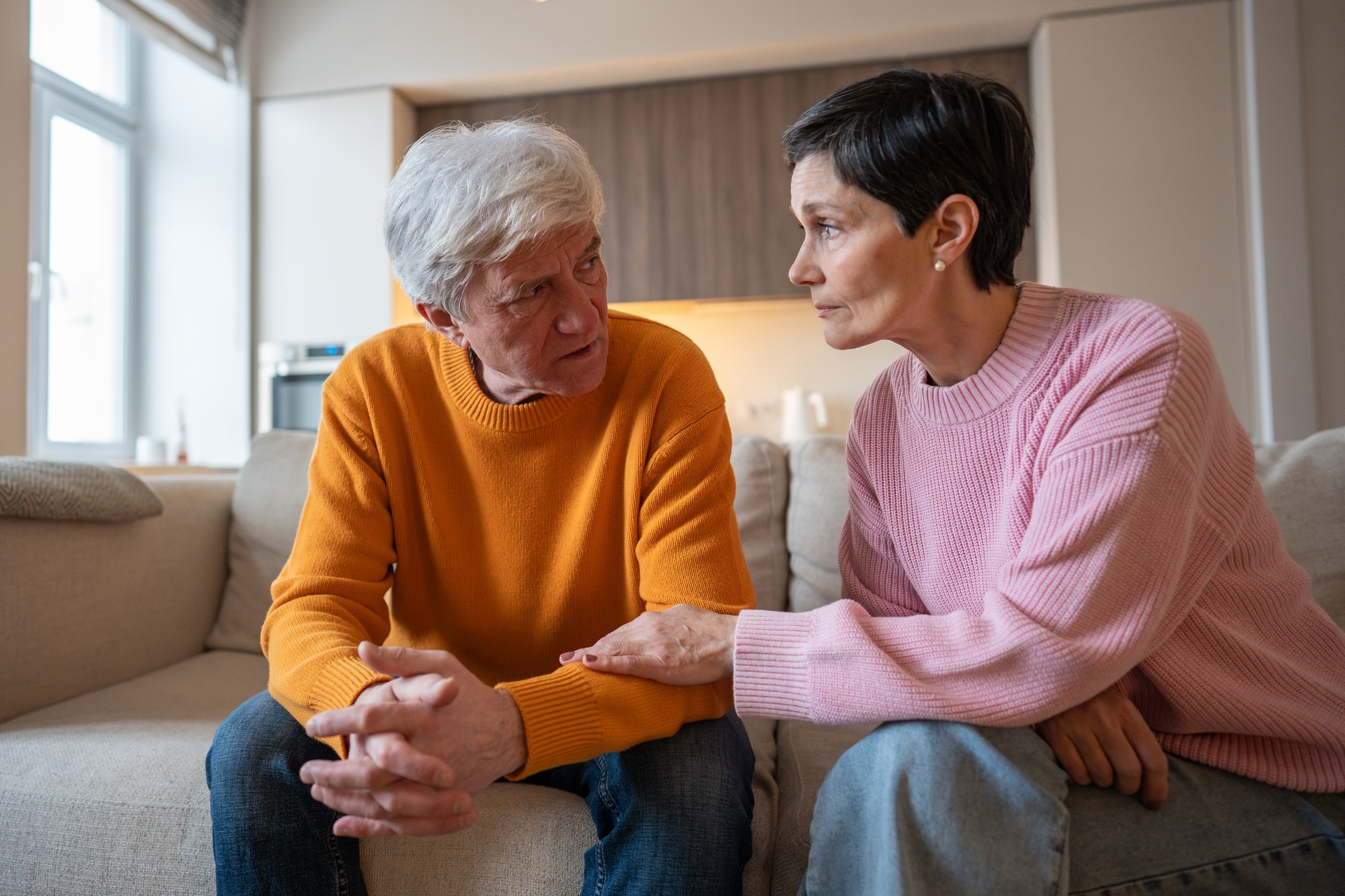
Asking for and accepting help is not a weakness, it’s an act of strength. It takes courage to acknowledge when you need support and to allow others to step in during difficult times. Whether it’s practical help with daily tasks or simply having someone to talk to, letting people be there for you can ease the emotional and physical burden of a brain tumour diagnosis. By opening up to support, you give yourself the space to focus on rest, treatment, and healing.
What helps:
What doesn’t:
Everyone copes differently. What works for one person might not work for another, and that’s okay. But knowing and exploring different coping strategies after brain tumour diagnosis gives you the tools to navigate this chapter with more confidence, comfort, and hope.
At The Three Tumours, we provide support, education, and connection for people living with all types of brain tumours. Whether you are newly diagnosed, living with long-term effects, or supporting a loved one, we are here to help. Learn more about symptoms, coping strategies, and our support services here: