How Brain Tumours Affect Speech and Movement

Understanding How Tumour Location Impacts Everyday Abilities

How Brain Tumour Speech and Movement Changes Can Affect Daily Life

Brain tumour speech and movement changes can affect everyday life in different ways. Depending on the tumour’s size, type and location in the brain, some people may notice problems with speaking, balance, coordination or weakness, while others may also experience vision changes. Understanding these signs can help people seek medical advice earlier.

Brain Tumour Charity North East
0 +

Types of Brain Tumours

Early diagnosis matters.

doctor with human Brain anatomy model and tablet.

Information sources: NHS guidance and trusted UK brain tumour resources.

Last reviewed: August 2026

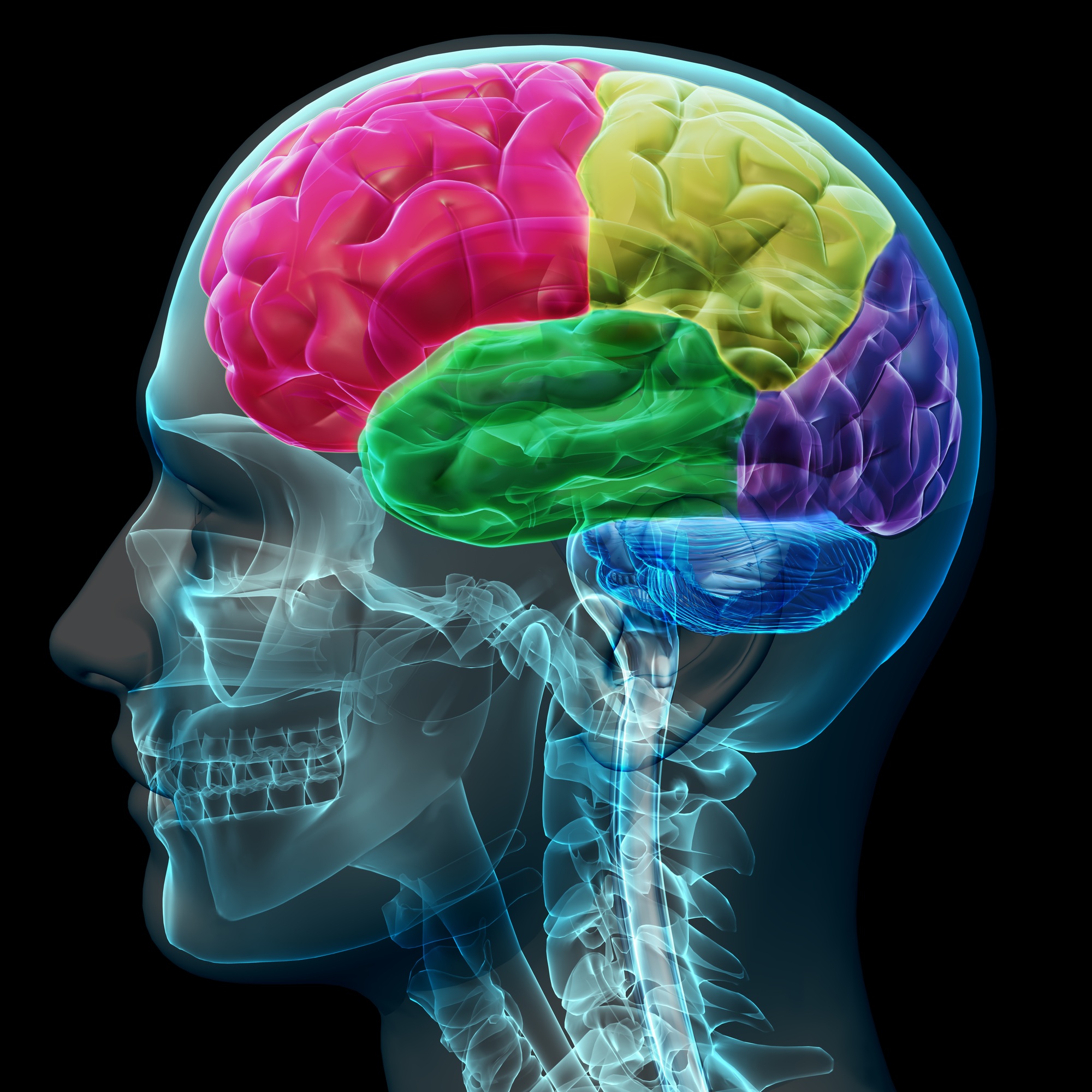
Different Areas of the Brain Control Different Functions

Why Tumour Location Can Affect Speech and Movement

Different regions of the brain control different abilities. Tumours in the frontal, temporal, occipital, or parietal lobes, or the brainstem, can each produce distinct symptoms.

Frontal Lobe

Responsible for movement and speech. Tumours here may cause slurred speech, difficulty forming sentences, or weakness on one side of the body.

Temporal Lobe

Often linked to language comprehension and memory. Patients may struggle to understand others or find the right words.

Occipital Lobe

Governs visual processing. Tumours can lead to blurred vision, blind spots, or difficulty recognising objects.

Parietal Lobe

Involved in spatial awareness and movement. Tumours here may affect coordination and balance.

Brainstem

Controls vital functions. Symptoms can include double vision, swallowing issues, and difficulty with balance or walking.

Brain coloured sections
We are here to share our experience and to offer support in coming to terms with the diagnosis, treatment and finding a new purpose to life. We don’t have all of the answers but have probably had the same questions and emotions that you or your friend or family member are coming to terms with. We believe a journey is easier with a guide, we’ve been there we’ve made the mistakes and want to help you avoid making them.
Doctor reading brain MRI x-ray result

Spotting the Symptoms of a Brain Tumour Early Could Save a Life

Common Brain Tumour Speech and Movement Signs

Understanding how brain tumours affect speech, vision and movement can help you spot subtle changes in yourself or a loved one. Here are some signs to be aware of:

Speech

Slurred speech, struggling to find words, or incoherent sentences

Vision

Blurred or double vision, partial vision loss, or hallucinations

Movement

Governs visual processing. Tumours can lead to blurred vision, blind spots, or difficulty recognising objects.

If these symptoms appear suddenly or begin to worsen, it’s important to seek medical advice. They could be caused by many conditions, but brain tumours should not be ruled out.

Understanding the Importance of Early Brain Tumour Symptoms

Why Brain Tumour Speech and Movement Symptoms Matter

Speech, vision and movement changes aren’t always immediately linked to brain tumours, often being dismissed as stress, fatigue or ageing. But early intervention is crucial. When diagnosed early, patients can receive more effective treatment and support.

We know how frightening and disorienting these symptoms can be. That’s why we work to raise awareness, fund support services, and connect people affected by brain tumours with resources to help them understand what they're facing. If you or someone you know is experiencing changes in speech, vision or movement, don’t ignore it. Trust your instincts, talk to your GP, and know that support is available.

Living with a Brain Tumour: Where to Find the Right Support

Support for People Living with Different Types of Brain Tumours

At The Three Tumours, we provide support, education, and connection for people living with all types of brain tumours. Whether you are newly diagnosed, living with long-term effects, or supporting a loved one, we are here to help. Learn more about symptoms, coping strategies, and our support services here:

Your questions, answered simply

The Three Tumours, A Brain Tumour Charity - FAQ

Start here: quick, helpful answers from our brain tumour charity.
If you still have questions, please do get in touch.

Yes, a brain tumour can affect speech and movement depending on where it is located in the brain. Some people may notice word-finding problems, weakness, poor balance or difficulty coordinating movement. Although speech and movement is one symptom to be aware of, there are other warning signs for a brain tumour.

Brain tumour speech and movement changes can include slurred speech, trouble finding words, weakness, poor balance or difficulty walking. These symptoms can vary depending on tumour location. Read more about brain tumour types on the NHS website.

Yes, brain tumour speech and movement problems can sometimes appear alongside vision changes such as blurred vision, double vision or blind spots. 

Different parts of the brain control different functions. This means tumour location can directly affect speech, movement, balance and sometimes vision.

If brain tumour speech and movement changes appear suddenly, worsen, or happen alongside other unusual symptoms, it is important to seek medical advice as soon as possible.

support for brain tumour patients in the UK, brain tumour clinical trials, Brain Tumour Speech Problems