Understanding the Different Types of Brain Tumours

A Simple Guide to the Main Types of Brain Tumours and What Sets Them Apart

Understanding the Different Types of Brain Tumours

Brain tumours are complex, varied, and often misunderstood. With over 130 different types of brain tumours, no two diagnoses are exactly alike, and each tumour requires a different approach to treatment.
Understanding the different types of brain tumours is essential for early detection, accurate diagnosis, and access to the right specialist care. In this guide, we'll explain why brain tumours are so diverse, why diagnosis can be difficult, and why expert support is crucial.

Brain Tumour Charity North East
0 +

Types of Brain Tumours

Early diagnosis matters.

How Brain Tumour Symptoms Start

From gliomas to meningiomas, here's what you need to know.

What Are the Different Types of Brain Tumours?

A brain tumour is a growth of abnormal cells within the brain or surrounding structures. Tumours are classified as:
• Primary brain tumours: Tumours that start in the brain.
• Secondary (metastatic) brain tumours: Tumours that have spread to the brain from another part of the body.
Primary brain tumours can be benign (non-cancerous) or malignant (cancerous), but both types can cause significant symptoms depending on their location and size.

How Brain Tumour Symptoms Start

Why Are There Over 130 Different Types of Brain Tumours?

The brain contains many types of cells, including nerve cells, glial cells, and blood vessel cells. Tumours can form from any of these, creating over 130 different types of brain tumours, each with unique characteristics. Classification is based on:
• Cell type (e.g., astrocytes, ependymal cells)
• Tumour location (cerebrum, cerebellum, brainstem)
• Grade (how aggressive or fast-growing the tumour is)
Because of this diversity, treatment and prognosis can vary widely.

We are here to share our experience and to offer support in coming to terms with the diagnosis, treatment and finding a new purpose to life. We don’t have all of the answers but have probably had the same questions and emotions that you or your friend or family member are coming to terms with. We believe a journey is easier with a guide, we’ve been there we’ve made the mistakes and want to help you avoid making them.

A Clear Look at the Common Brain Tumour Types Found in Adults and Children

Common Types of Brain Tumours

Understanding the different types of brain tumours can help patients and families know what to expect. Some of the most common include:

Glioblastoma (GBM)

A highly aggressive malignant tumour.

Meningioma

Usually benign and slow-growing, arising from the membranes around the brain.

Astrocytoma

Develops from star-shaped astrocyte cells. Can range from low-grade (slow-growing) to high-grade (fast-growing).

Astrocytoma

Develops from star-shaped astrocyte cells. Can range from low-grade (slow-growing) to high-grade (fast-growing).

Medulloblastoma

A fast-growing tumour common in children, located in the cerebellum.

Pituitary Tumours

Affect hormone production and often present with hormonal imbalances.

Ependymoma

Tumours developing from the ependymal cells lining the ventricles and spinal canal.

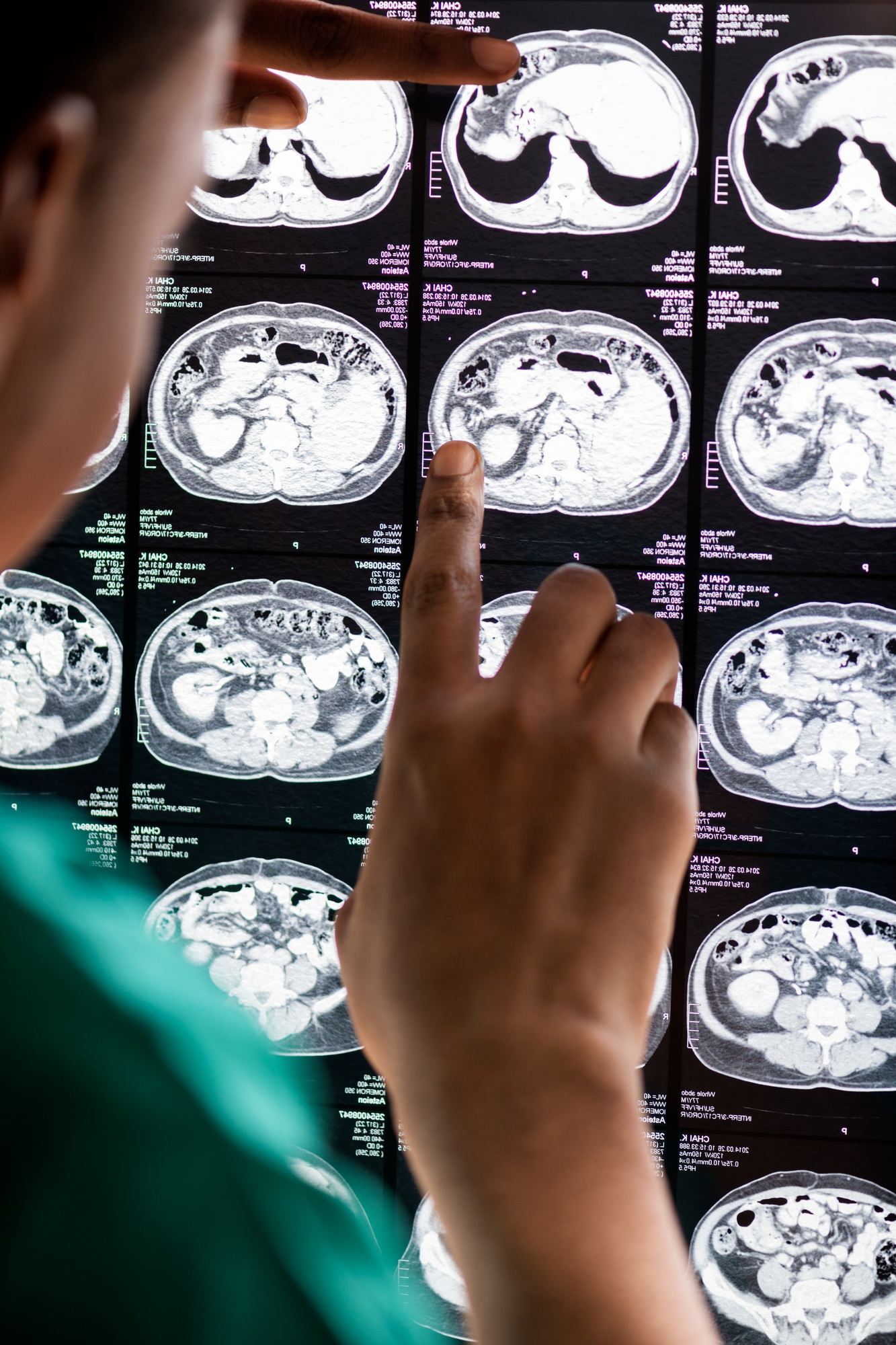
Doctor reading brain MRI x-ray result
sensory overload and other Brain Tumour Symptoms

The Challenges of Diagnosing Over 130 Types of Brain Tumours

Why Diagnosing the Different Types of Brain Tumours Is Difficult

Because symptoms can be vague, such as headaches, dizziness or vision changes, brain tumours are often misdiagnosed at first. Symptoms vary based on tumour type, size and location, making accurate diagnosis a challenge.

Early diagnosis matters.

Advanced imaging, biopsies, and expert analysis are essential to correctly identify the different types of brain tumours and guide treatment.

Expert care matters, because no two brain tumours are the same

The Importance of Specialist Care for Brain Tumours

Not all hospitals are equipped with the advanced tools or expertise required to accurately diagnose and treat the wide range of brain tumour types. With over 130 known variations, specialised knowledge and equipment are essential to ensure patients receive the right treatment at the right time. Access to dedicated brain tumour centres, staffed by experienced neurosurgeons, neuro-oncologists, radiologists, and support teams can significantly improve both survival rates and quality of life. These centres are better positioned to offer personalised care plans, more precise surgeries, and cutting-edge therapies that may not be available in general hospitals.

Living with a Brain Tumour: Where to Find the Right Support

Support for People Living with Different Types of Brain Tumours

At The Three Tumours, we provide support, education, and connection for people living with all types of brain tumours. Whether you are newly diagnosed, living with long-term effects, or supporting a loved one, we are here to help. Learn more about symptoms, coping strategies, and our support services here:

Why Understanding Brain Tumour Types Matters

Final Thoughts

Understanding the different types of brain tumours is more than just medical knowledge, it’s a powerful tool in the fight for earlier diagnosis, more effective treatment, and better outcomes. With over 130 distinct types, each with its own behaviour, treatment path, and prognosis, awareness can make all the difference. When people know what to look out for and understand the challenges others face, they’re more likely to seek help early or support loved ones going through diagnosis and treatment. Knowledge truly does save lives. By learning and speaking up, you help build a more informed, compassionate community, one that stands together to raise awareness, push for research, and support those living with brain tumours every day. Your voice matters. Use it to make a difference.